Time to Be Introduced to Solid Food
Each new day means new things to discover, and different joys to experience for your baby. You will experience the great joy and satisfaction of motherhood when you introduce your baby to novelties in keeping with his/her development process, see his/her amazement in the face of new things, and joy when faced with different experiences.
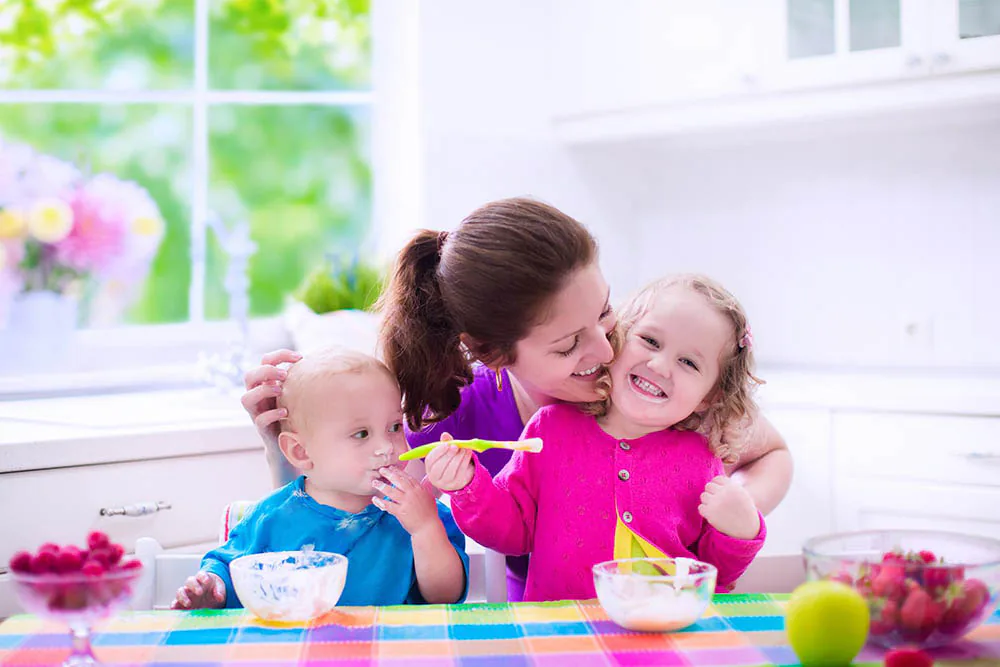
One of the most important and life-altering changes in your baby’s life is his/her introduction to solid food. Your baby, nourished by mother’s milk and/or formula milk until now, will start to try different tastes in line with his/her physical development and needs. Although it may yet be early for him/her to join you at the family dinner table, you can still pull his/her highchair close to ensure that he/she becomes a part of your dinner routine. This will help him/her observe the way you use cutlery and the meals served may lead to a more open attitude to new tastes.
Your baby is nourished by the mother’s milk (or formula milk) and receives nutrition and calories to suit his/her digestion until he/she is 6 months old. Between the 4th and 6th months, however, he/she might be ready to try solid foods as you introduce new tastes into his/her diet slowly, and in small amounts.
Signs that your baby is ready for solid foods:
(Between 6-8 months)
- Can hold her head straight.
- Can sit straight in the highchair.
- Starts making chewing movements.
- Has reached twice her birth weight (5 kilograms and over).
- Shows interest in solid food.
- Closes her mouth when a spoon is inserted in.
- Can move the food in her mouth forward and backward with her tongue.
- Appears to be hungry despite 8-10 feedings a day.
How to feed 6-8 months old babies?
- Mother’s milk or formula milk
- Mashed fruits (for example pears, apples, and peaches)
- Mashed vegetables (for example boiled carrots and potatoes)
- Mashed beef
- Mashed legumes (for example rice)
- Mashed grains such as oats and barley
Pediatrics Specialist, Dr. Berna Elkabes states that babies don't need teeth to start eating solid foods. “Babies, when first introduced to solid foods, use the roof of their mouths to crush the food therefore it is not necessary to wait for the baby to cut teeth.” Your baby must be introduced to mashed vegetables that are usually bland in taste. The first vegetables you could try on your baby are carrots, potatoes, zucchini, artichokes, peas, and broccoli. Mothers can add rice as legume as well as herbs such as dill and parsley to the first solid meals of their babies. On the other hand apples, pears, apricots, and peaches could be the first few fruits to try on your baby. Low-fat lamb meat could be your choice in the meat group. Babies must consume in season and if possible organic foods.”
Dr. Berna Elkabes warns mothers about solid foods to avoid because of the risks. It is important to know when and which foods to introduce in consideration of the sensitive digestive systems of babies. For example, don’t give bananas to babies under 7 months old. Wait until they are a year old to feed them strawberries. Due to its fat content, avocadoes should be added to the baby’s diet after the 9th month.”
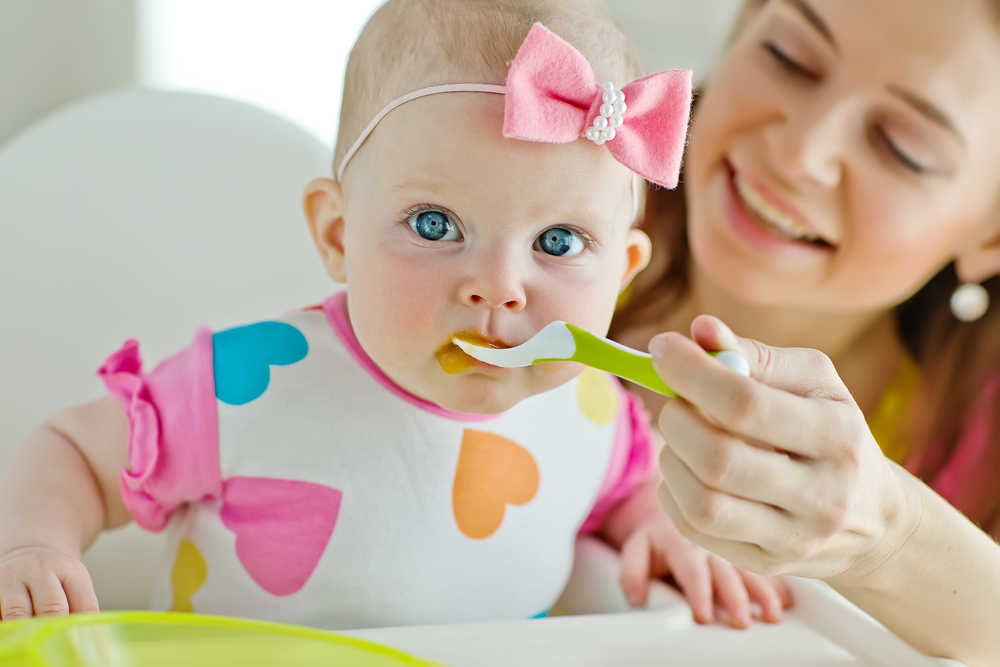
When introducing solid foods to your baby’s diet, initially let him/her taste only a teaspoon of the new food. Later you can gradually increase the amount of the food newly added to his/her diet. When feeding your baby, use small, soft plastic spoons that are suitable for feeding babies without damaging their gums.
When your baby is 10 months old, he/she will have grown more teeth to help him/her chew his/her food. Moreover, he/she will start attempting to use the spoon himself/herself. You can give your baby foods that dissolve easily in the mouth and are easy to pick up with fingers, such as boiled potatoes or carrots, mashed apples or bananas, to eat by himself/herself in non-breakable cups.
Mother’s Precautions against allergies
Wait at least 3 days before introducing your baby to a new taste. Let her get used to new food over a period of 3 days by increasing the amount gradually and try a new food only after making sure that the previous one did not cause any allergic reactions.
Usually, you don’t need to wait to add allergic foods like eggs, fish, nuts, and similar food items to your baby’s diet. However, we suggest that you consult your doctor to make the correct choices and learn which foods would be the best to start with. Dr. Berna Elkabes emphasizes that egg whites and cow’s milk must not be given to babies under one year, especially if there is a history of allergies in the family.
There are also some foods that you should never attempt to give to your baby. For example, honey could lead to food poisoning in babies under one year. To obtain more information, consult your doctor.
Tips:
- If your baby does not show any interest in the food you offer, allow him/her to sniff out and taste by himself/herself the food as you hold the spoon towards him/her.
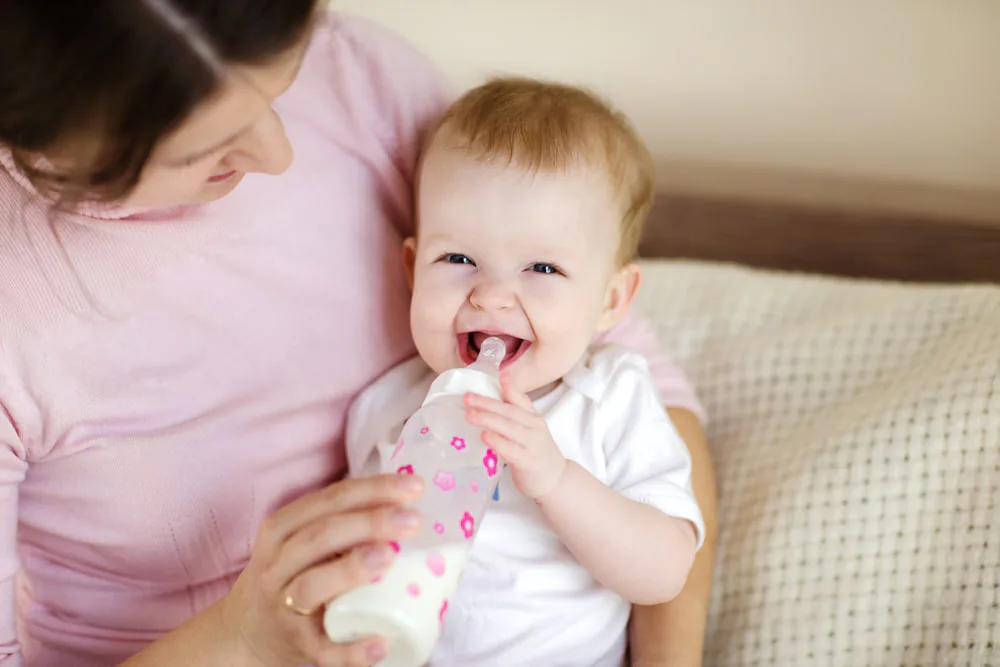
- Do not attempt to feed your baby solid foods in a bottle. Make sure he/she learns to eat solid foods with a spoon as he/she is seated in his/her seat.
- Avoid introducing new solid foods to your baby when he/she is tired and cranky. The best time for discoveries would be when is calm and peaceful.
- Give him/her time to learn how to eat solid foods. Remember that he/she needs practice to learn how to keep the food in his/her mouth and experience swallowing it.
- If your baby leans back in his/her seat, turns his/her head away from the food offered, starts playing with the spoon, or refuses to open his/her mouth, it may mean he/she’s full.
- Do not forget... Although your baby has started on solid foods, she will still need mother’s milk (or formula milk) until she turns one. The nutrients available in mother’s milk are essential and cannot be obtained from solid foods in the first year. For this reason, continue breastfeeding your baby at least until she is 1 year old.
- Even if your baby meets her need for fluids through mother’s milk, you can still start giving her water to prevent constipation during this period. You can give your baby 50-100 ml of water daily in a trainer cup.
- When your baby is 6-7 months old, you can start giving her solid foods twice a day. When she is 8 months old she can be fed solid foods three times a day.
Molfix Contents Advisor:
Dr. Berna Elkabes, Pediatrics Specialist