Happily Growing Babies (13-23Months)
Your baby is now one year old. Both of you are now much more experienced. However, you will also be faced with many new experiences. Witnessing your baby develop new skills from one month to the other and show changes week after week as he/she grows up will amaze you on one hand and add to your happiness on the other.
Toddling along
Only a few months ago he/she was having difficulty in turning from one side of his/her crib to the other, but now he/she is ready to discover the world on his/her two feet. Although some babies may learn to walk when they are only 8 months old, others could wait until their 17th month to start walking. Most babies start toddling when they are 13 months old.
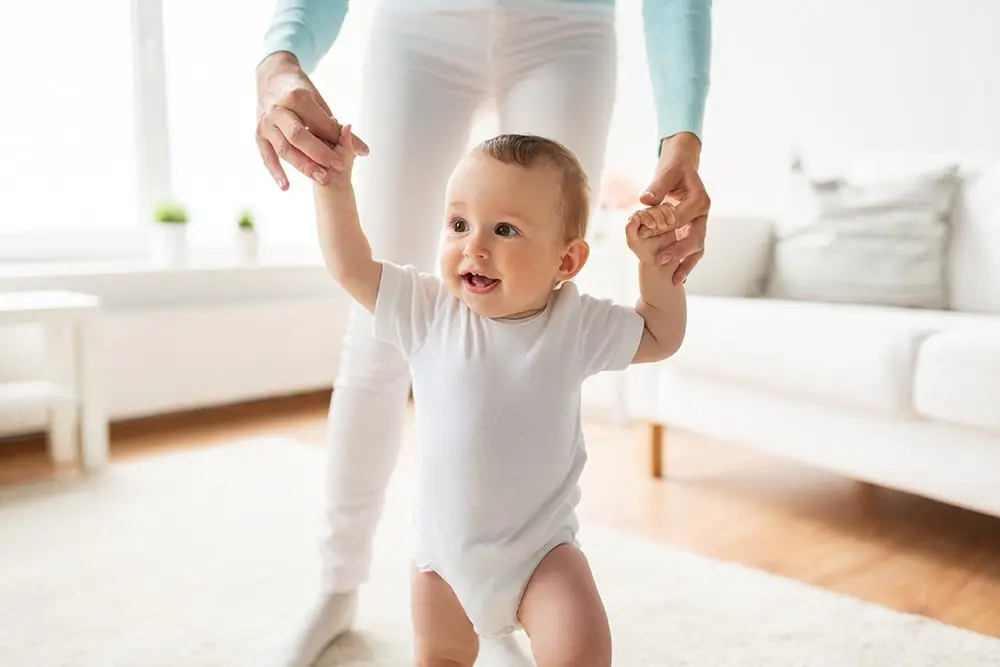
Your baby could stand on his/her own when 14 months old and can now go up and down the stairs with your help at 16 months and could become an expert walker when he/she is 18 months old. In learning to walk, instead of using a baby walker for your baby, (which, in recent years, doctors have not recommended), you can hold your baby’s hands to provide support and encourage him/her to take independent steps towards you as you open up your arms to him/her.
When your child turns one and a half, he/she will be able to dance to music in a rhythm that is unique to babies. After turning 19 months, his/her walking will speed up and he/she will like to hold something in his/her hand as he/she marches on. Another new skill that your baby will acquire as he/she approaches his/her second birthday is to be able to jump up on the spot, though not too high.
Do not put your baby’s shoes on unless you are going out. Leave him/her free to go about in his/her socks or bare feet in the house. You will notice this helps develop his/her balance and coordination.
Each baby, including yours, has their own pace of development. Thus, their development may easily display a different pattern. You can consult a pediatrist if you have any concerns regarding the development of your child.
I understand you mom....
By the time they are one, babies will have uttered their first words and also learned 1-5 new words. However, this doesn’t necessarily mean that all they understand is those five words. Children start understanding their mother tongue long before they can speak it. At one year old, babies can understand approximately 70 words.
By their 14th month, they start to change their tone of voice, add inflections and use gestures when they speak. When you ask a question to your 16-month-old baby, you will notice him/her nodding or shaking his/her head.
When he/she is one-and-a-half, he/she will be well on his/her way to speaking with a vocabulary consisting of 5-20 words. In this period, until she turns 2, she may start to make 2-word simple sentences. You may observe her understanding and performing two-level instructions. To test this out, you can leave a toy she likes in a corner of the room and tell her to “pick up her toy and bring it to you”.
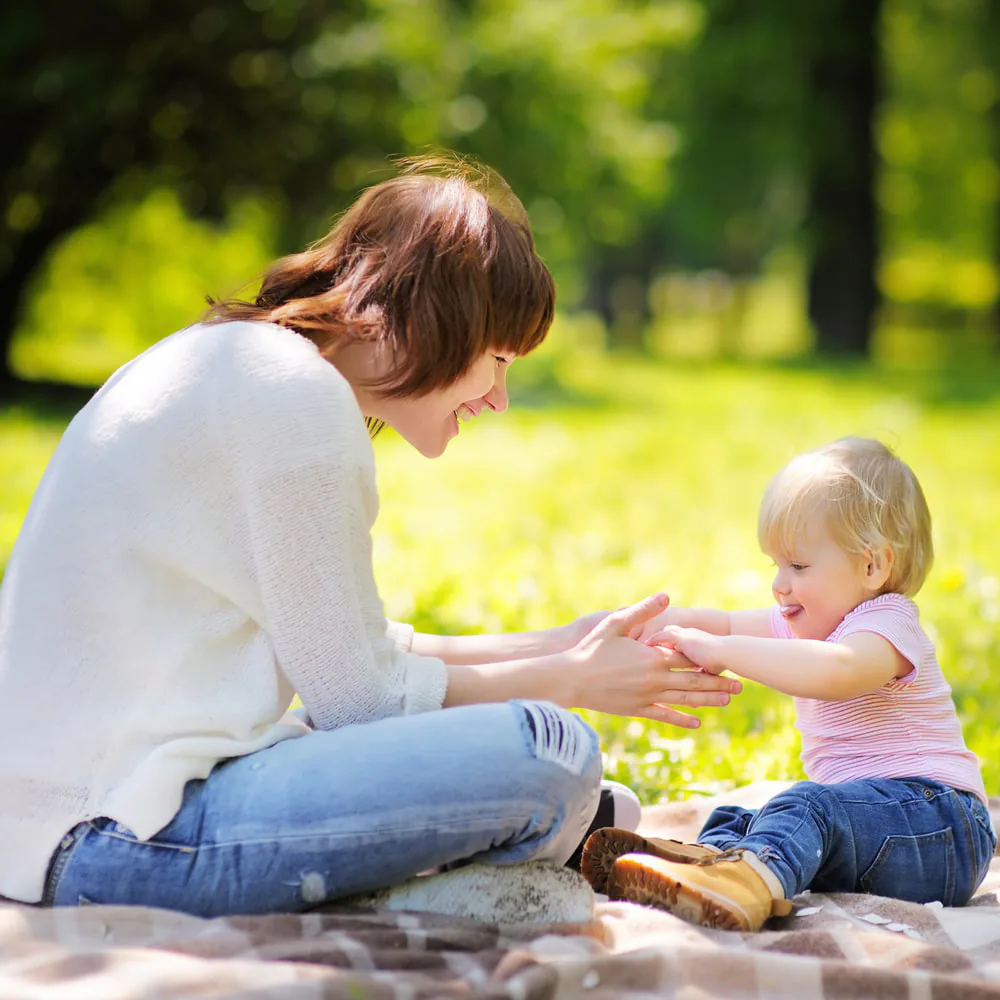
You can help your baby develop her communication skills by talking and reading books to her. You can play games with her as well as offer new toys to facilitate the process of acquiring new skills and as such contribute to her mental and physical development. To support the development of her speech, ask her to say the name of the thing she wants when she points to it. Repeat the names of body parts as well as the objects frequently seen around the house to help her learn these names.
I am changing, growing up, and learning new things...
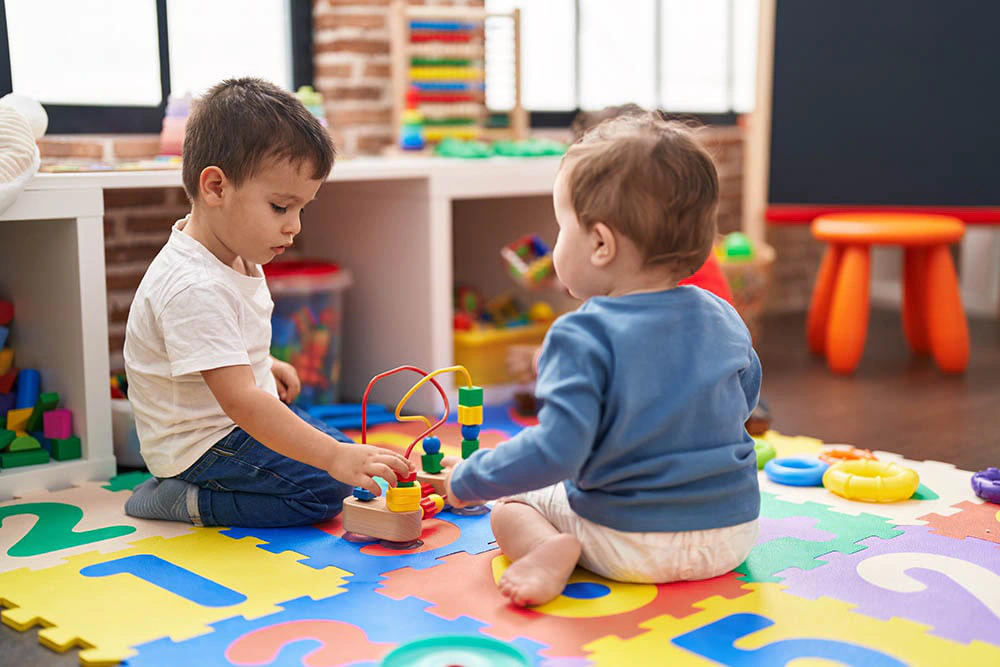
13-18-month-old babies who learn to speak also start to develop their social skills. In this period, babies continue to play side by side with other children instead of playing with them, and their separation anxiety peaks. Between 19-24 months of age, some friendly babies can turn timid and act shy toward strangers. Although babies in this age group may attempt to socialize with other kids, they are not yet good at sharing.
When your baby turns one-and-a-half he/she will start understanding simple concepts of space and dimension. This will help him/her finish jigsaw puzzles designed for his/her age, understand the differences between geometric shapes like circles and squares, and fit the shapes into the correct space.
During this time you can fill in the time you spend with your baby with love and attention. Create an environment of love and safety in your house. If you want to bring up a happy and self-confident child, show him/her your love and fondness at all times. Instead of criticizing his/her negative attitude, appraise his/her positive behavior. Behave the way you want your child to behave. If you want him/her to be more open to sharing make sure that he/she observes you sharing your dessert or belonging with others, and let him/her hear you speaking favorably of your friends and/or using words like “please” and “thank you”.
Infants in this age group are usually very eager to do everything by themselves. You may witness your baby, who up until very recently was only able to utter monosyllabic words, rebelling against you and saying he/she wants to do it when it is time to change clothes, eat food and even take a bath.
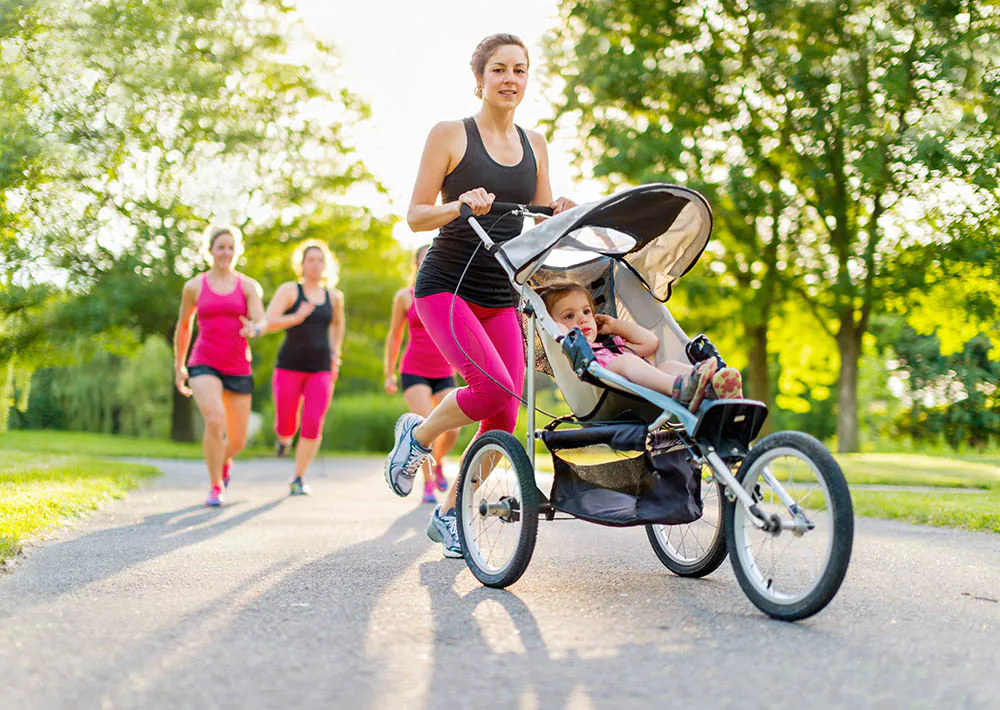
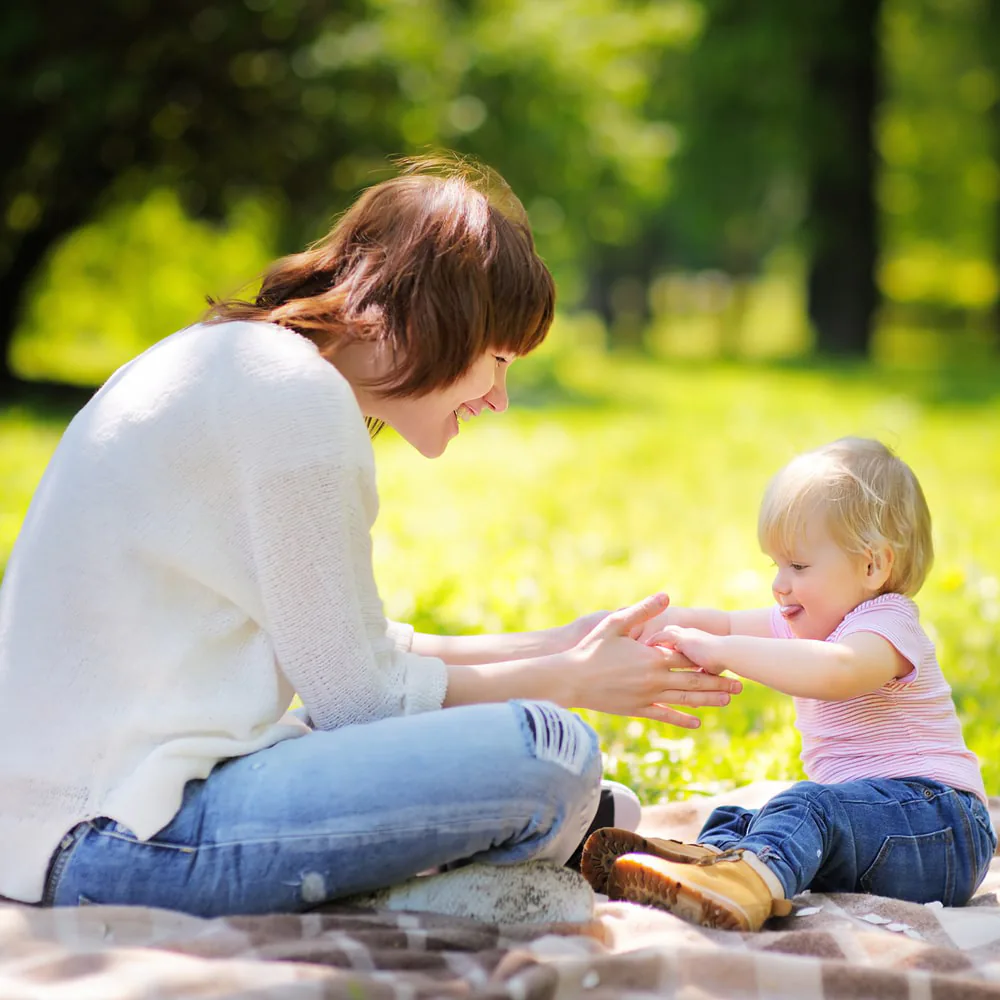
Your baby needs fresh air as much as the time spent at home playing games. Take him/her out to the park, playground, on a walk, or outside to make discoveries.
Do not forget ...
Each baby grows at his/her or her own pace. Remember that your baby is a small individual separate from you. Support him/her in his/her journey to growing up in the way he/she chooses to do so. Babies who grow up happily, build happy futures.
Content provided by: ZNN Network www.znnnetwork.com