First Days at Home With The Baby
In the first days, mothers are together with their babies, they feel comfortable with the security the hospital environment provides. When the baby cries or has difficulty sucking, due to the availability of a professional team at their bedside they can consult with, mothers find it hard to leave the hospital. However, a long stay in the hospital for the baby, who has never been exposed to microbes, increases the risk of infection for the baby.
If the mother and the baby do not have any health issues, the best course of action would be to leave the hospital promptly so that the baby feels secure and gets used to his/her home.
Crying
Your baby’s cries are the only way he/she can tell you that he/she needs you. In time you will be able to distinguish the reason behind each cry through which your baby is trying to express himself such as hunger, soiling, gas pain, heat, cold, and itching. Breastfeeding your baby each time he/she cries is not the best way to silence him. You will get to know your baby in time and you will also reduce his crying by establishing a correct routine for your baby. You will thus better understand what he/she wants from the tone of your baby’s crying sound.
We breastfeed our baby frequently in the first few days after he/she is born, this is due to the small amount of liquid colostrum that comes. When the flow of milk eases and its amount increases in the following days; the arrangement that will extend the sucking duration and increase the breastfeeding intervals will occur on its own.
Dear mothers, do take your baby in your lap every time he/she cries but do not breastfeed him or each time he /she cries. Being by the side of your newborn baby when he/she cries and to satisfy his need makes him feel valued and boosts his confidence.
A mother’s knowledge of when to breastfeed him/her baby makes it convenient for both the mother and the baby. For example, babies usually wake up hungry and cry for milk. If you delay breastfeeding, you will witness his cry turning into a cry of anger.
Sleep Routine
Babies do not distinguish day from night during the first days. Put your baby to sleep in his/her room and bed during the daytime and make sure that you wake him/her up once every 3 hours. If he/she does not wake up, open his/her diaper, take off his/her clothes, sing a song, and make sure to fully wake him/her up. She will start to figure out the day-night difference in a few days. If there is no issue regarding the weight of your baby after the first forty days, slowly start to discontinue nighttime breastfeeding. Wait for the first forty days to pass to set a certain routine, regulate the baby’s schedule, and try to get to know your baby well during this time.
Use of Pacifier
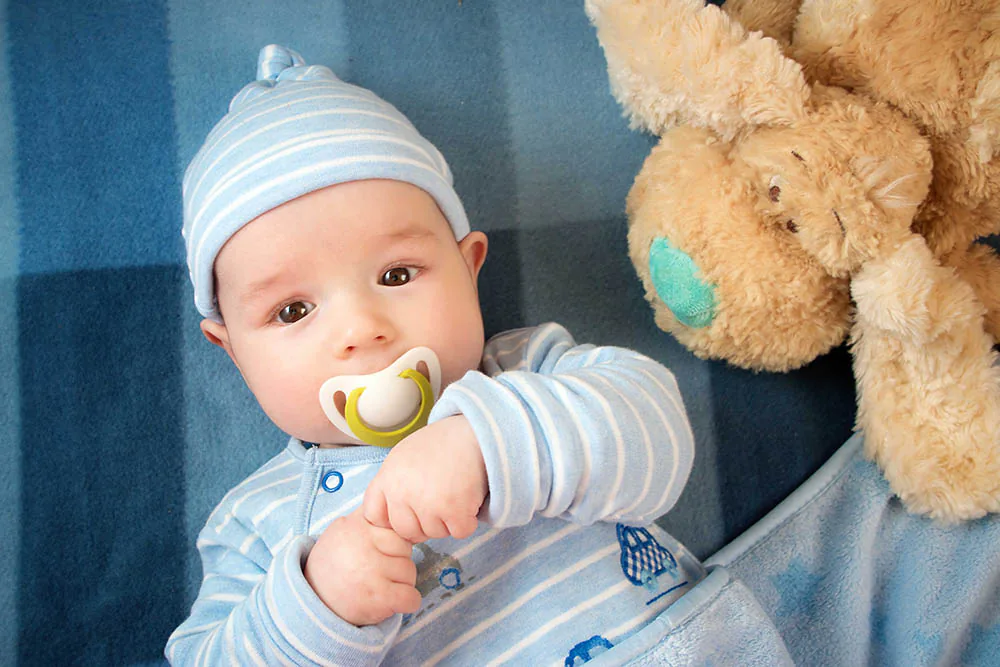
Babies are born with the sucking instinct. They may suck their fingers, clothes, or pacifiers to satisfy the sucking instinct. As babies can very easily suck their thumbs, pacifiers could be given to them while getting ready to sleep. Thumb sucking may cause deformations in the palate and teeth structure. Moreover, thumb-sucking may turn into a habit that is hard to quit. Pacifiers should never be used to quiet down a crying baby.