Happily Growing Babies (6-12 Months)
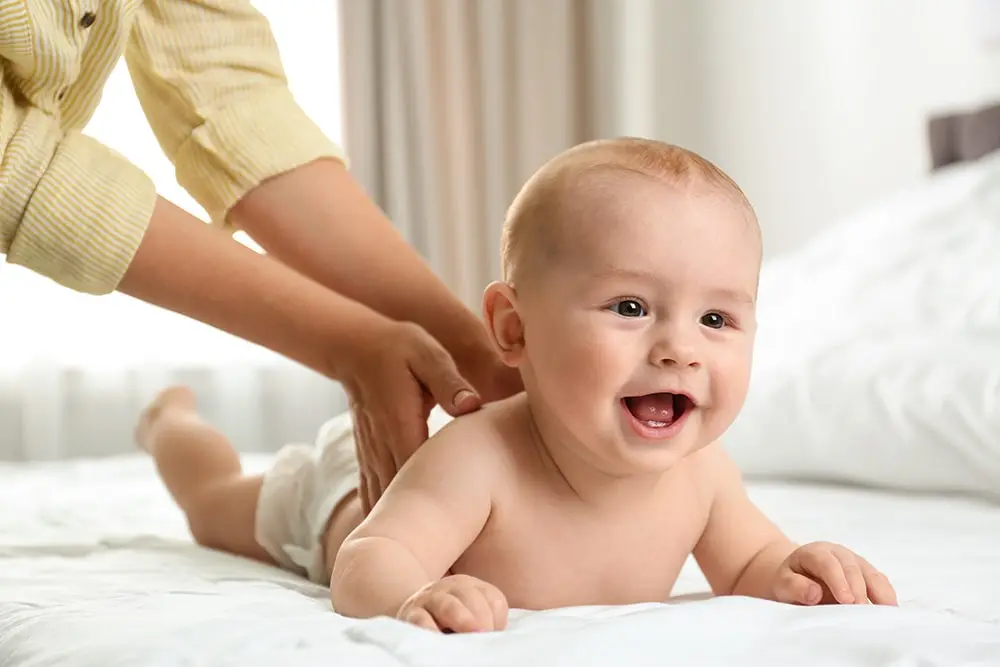
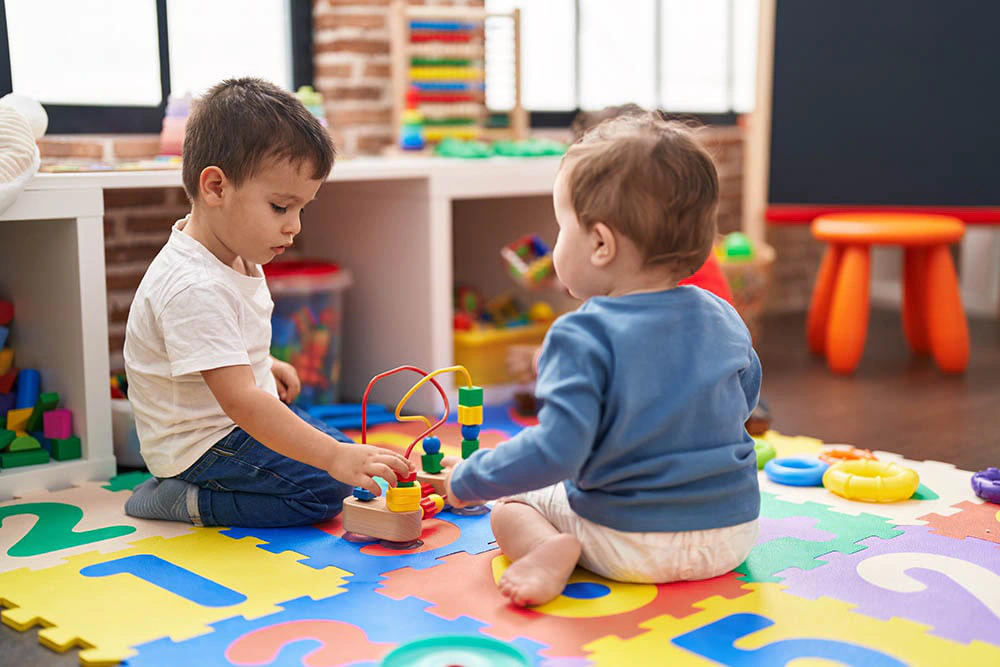
The first year with your baby is usually full of new experiences, all discoveries, and unbridled joy. After the first 6 months of his/her birth, your baby starts to communicate with his/her environment for real. He/she smiles, laughs, and tries to talk to you in a language of his/her own. Meanwhile, he/she starts to gain control of his/her movements. When your baby is 7 months old you will be amazed when you see him/her/her roll over and sit up without your support. Being able to sit unaided helps strengthen your baby’s neck muscles and develop your baby’s balance and coordination. All these phases prepare your baby for the first steps he/she will be taking into a bright future.
Ready to take her first steps!
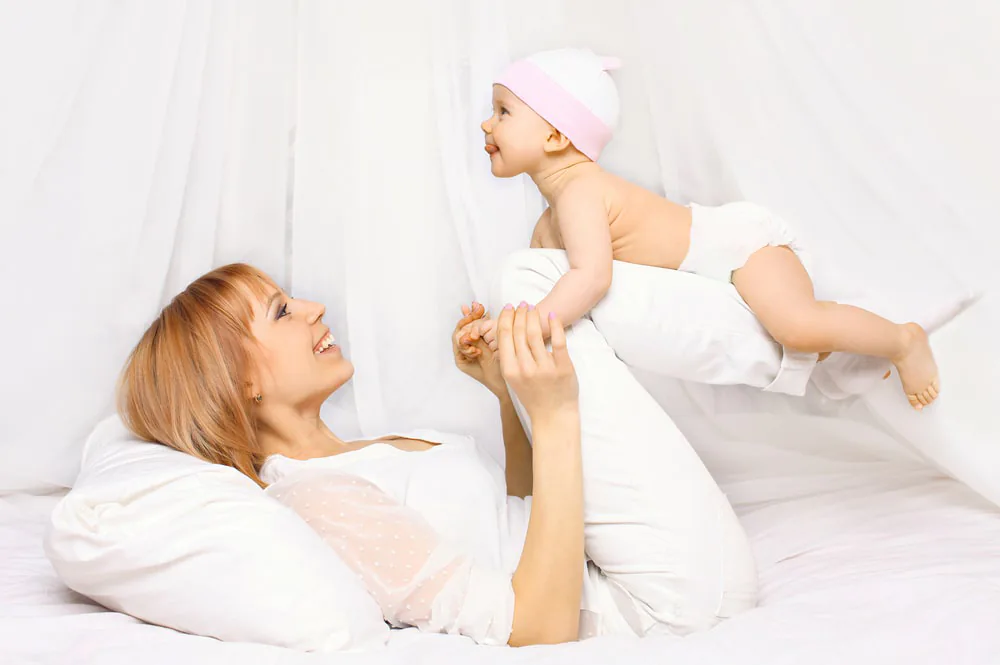
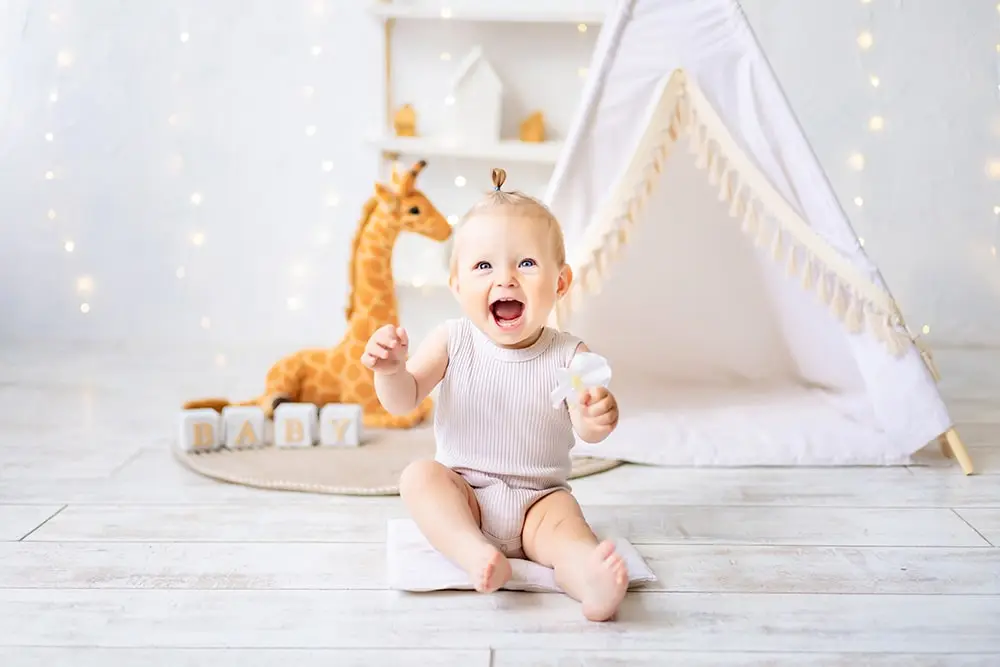
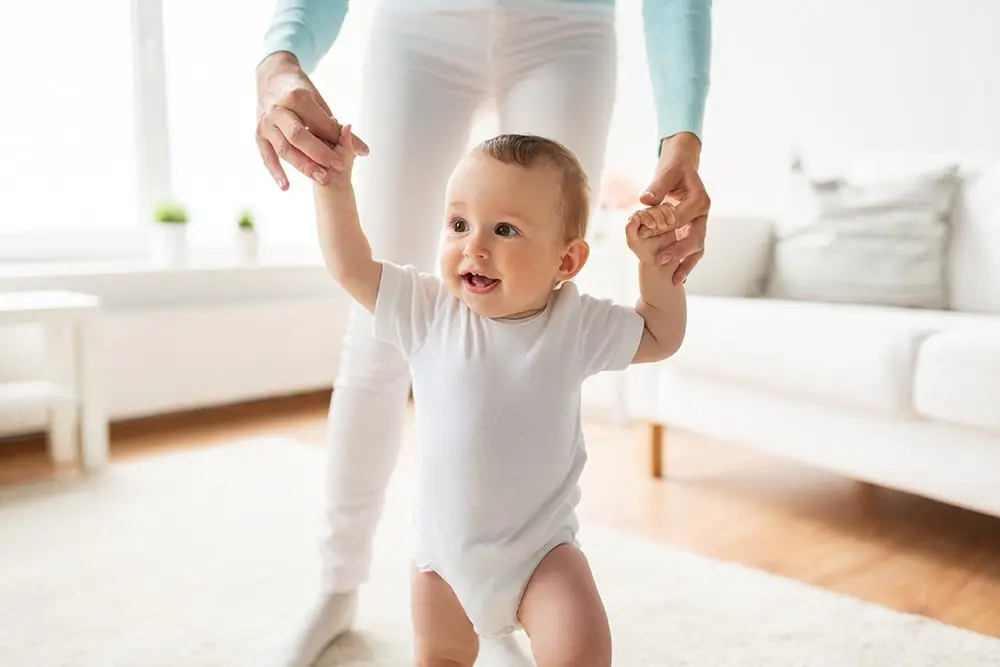
You may think it was only yesterday that you first cuddled her to you, but in reality, she is getting ready to take her first steps into a life of her own. Hold your baby under her arms to balance her weight and watch her hop up and down as she screams with joy. Besides being fun for you and your baby, this will help work large muscle groups such as leg and arm muscles and as such supports the development of gross motor skills and prepare your baby for walking.
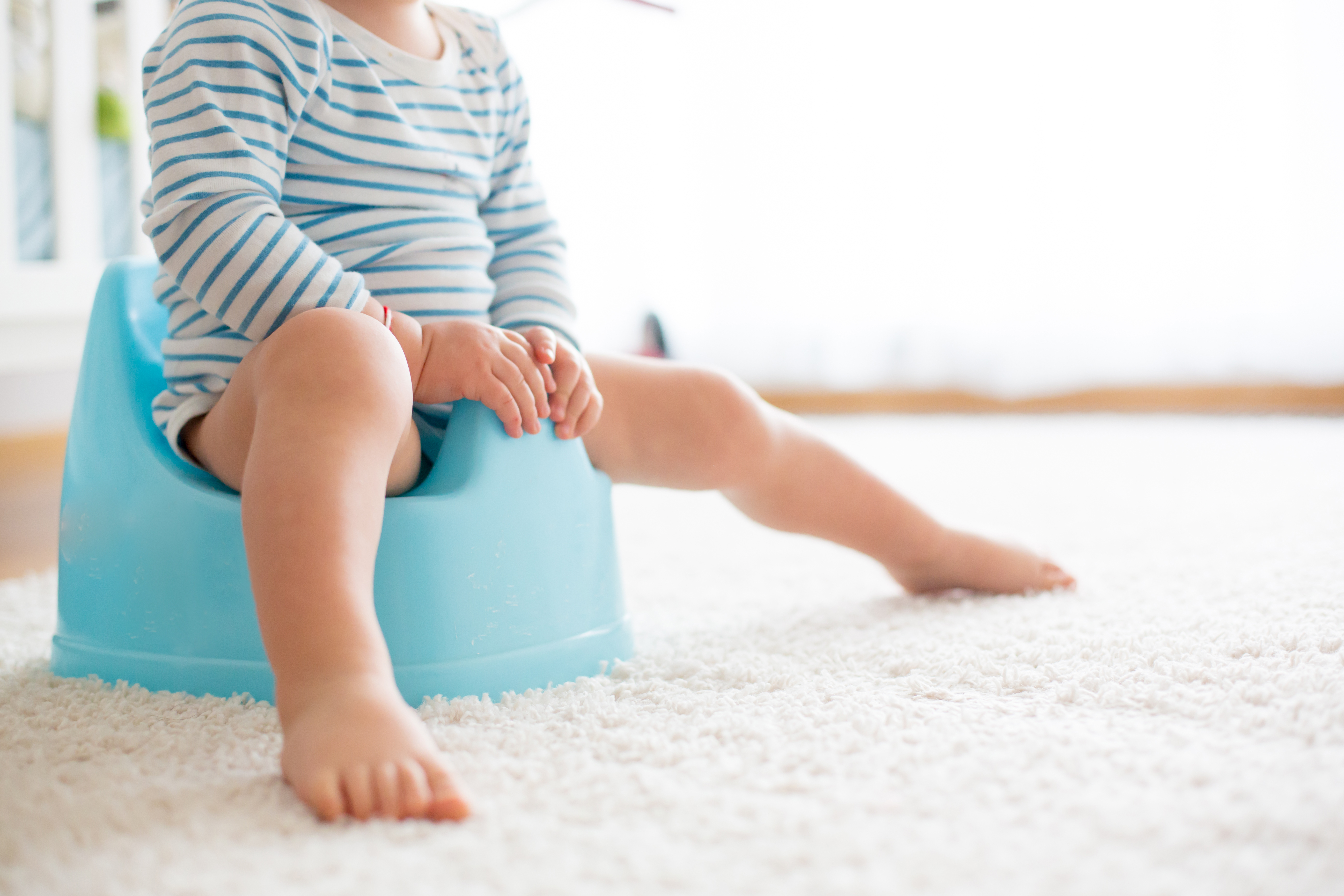
Most babies learn to crawl between 6 to 10 months and after the 8th month, they can stand alone by holding on to a support. You can arrange your house to suit your baby’s needs (by removing the obstacles in her way for a comfortable crawl, putting away any breakable objects on the furniture she’ll use as support, etc.) to ensure she goes through this stage at a well-adjusted and comfortable pace.
You can see a 9-month-old baby pull herself up to a standing position by hanging onto sturdy pieces of furniture, such as armchairs and tables. After the 11th month, they can stand unsupported, though maybe only for a few seconds, and they may even be able to take their first unaided steps before their first birthdays. On the other hand, some babies go directly from crawling to walking. You can have your camera on ready to be able to tape the first moments of your little rascal starting to discover her environment with glee.
Each baby, including yours, has their own pace of development. Thus their development may easily display a different pattern. Dress her in comfortable clothes made of cotton to ease her way into crawling and getting ready to walk while ensuring her comfort when in contact with the flooring. Choose comfortable diapers that won’t restrict their movements. In this way, your baby will be able to grow in confidence without any obstacles on her way to discovering the world.
Make sure that your surroundings are baby-proof as your baby crawls her way into a journey of discovery. Take precautions against the electric sockets she may want to poke into, small bits and pieces that she may want to taste, sharp corners she may run into, and similar hazards. Create safe spaces that she can discover to her heart’s content.
Small but skillful hands
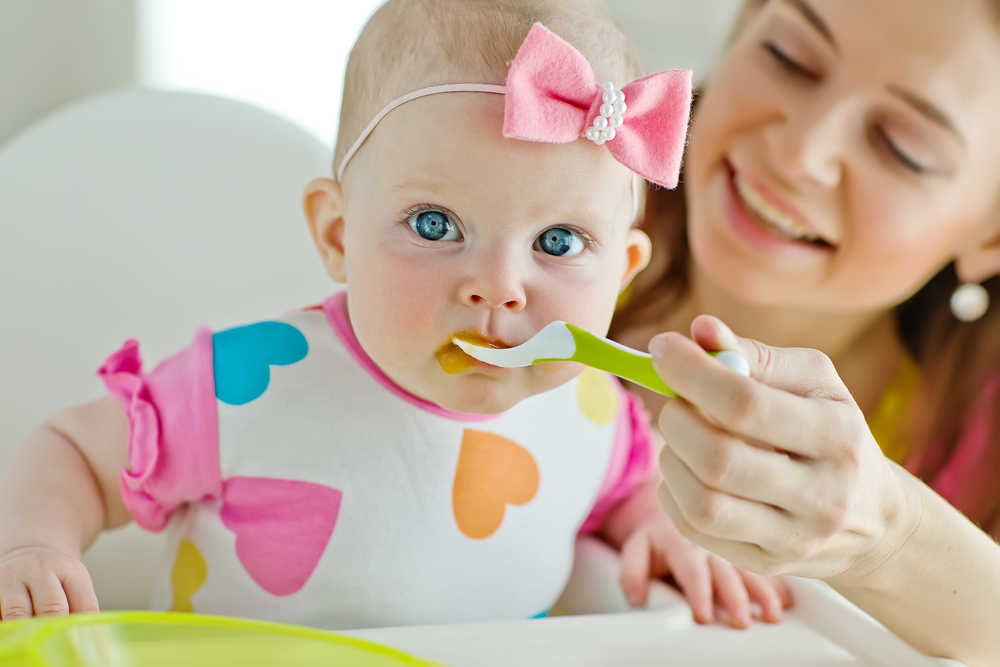
In this phase of his/her life, the fine motor skills of your baby continue to develop. He/she can put objects into cups and remove them using his/her small hands that improve gradually in terms of their dexterity and pick up pieces of food and put them in his/her mouth with his/her thumb and forefinger.
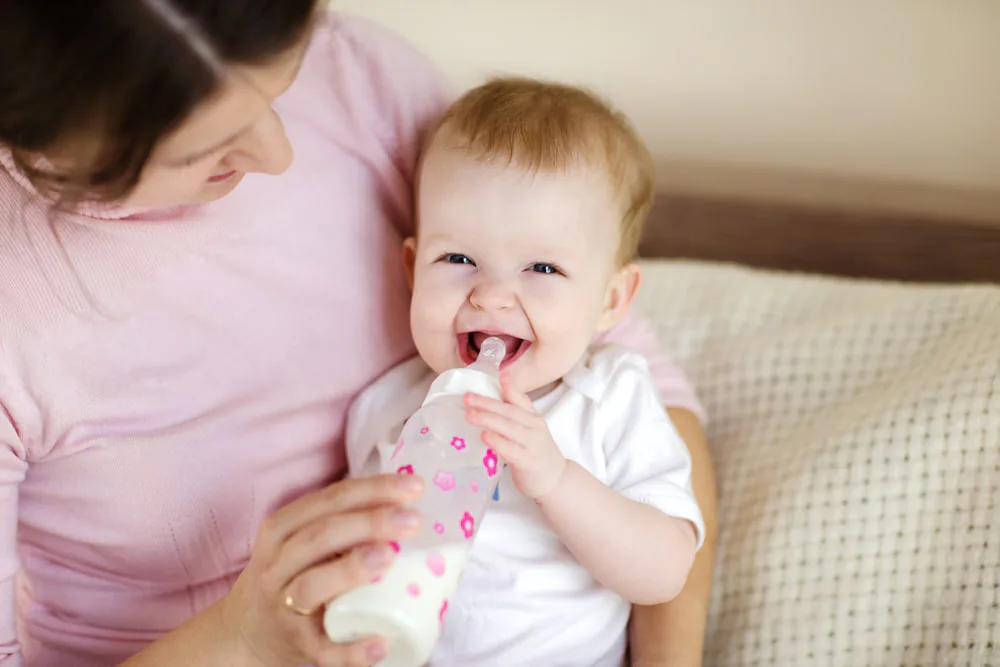
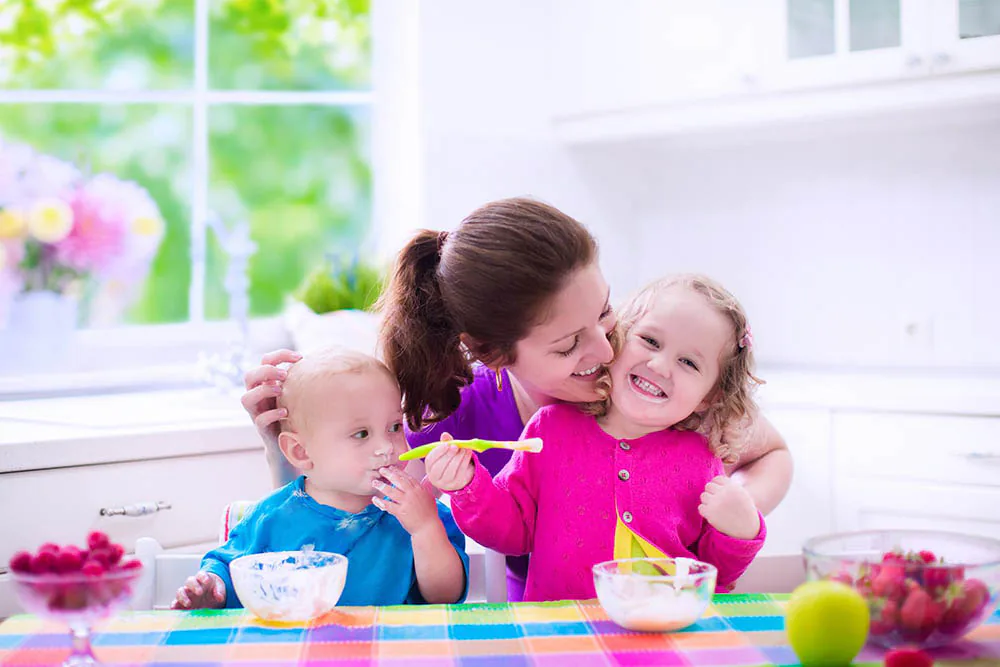
In this period, finger foods are the most enjoyable snacks as your baby starts using his/her thumb and forefinger together and is introduced to solid food. You can encourage your baby to eat food by himself/herself that dissolves easily in the mouth, like bananas. In this way, he/she is introduced to new flavors as he/she is provided the means to develop his/her fine motor skills.
What do you think her first word will be?
Prepare yourself to hear actual words from your baby instead of the cuddlesome gurgles she has been making. In this period you may experience the joy of hearing her say her first words consisting of simple syllables such as “ma-ma” and “da-da”. Even if she has not yet garnered the art of full speech, she is now able to make you aware of what she wants and doesn’t want by gestures and mimics and she will be all ears when you talk.
To facilitate her speech development, make sure to have an ongoing conversation with your baby as much as possible. Tell her what you are and will be doing, and describe your surroundings. Read to him/her the books suitable for his/her age, and repeat the names of the objects in the pictures as you point to them.
Your baby now can see the world in full color. There are many activities to ensure that her eyes are in optimal health to see the world. For example, you can move a toy she loves to right and left in front of her eyes. You will see her following the toy with her eyes. You can also sit her in front of a mirror to look at herself.
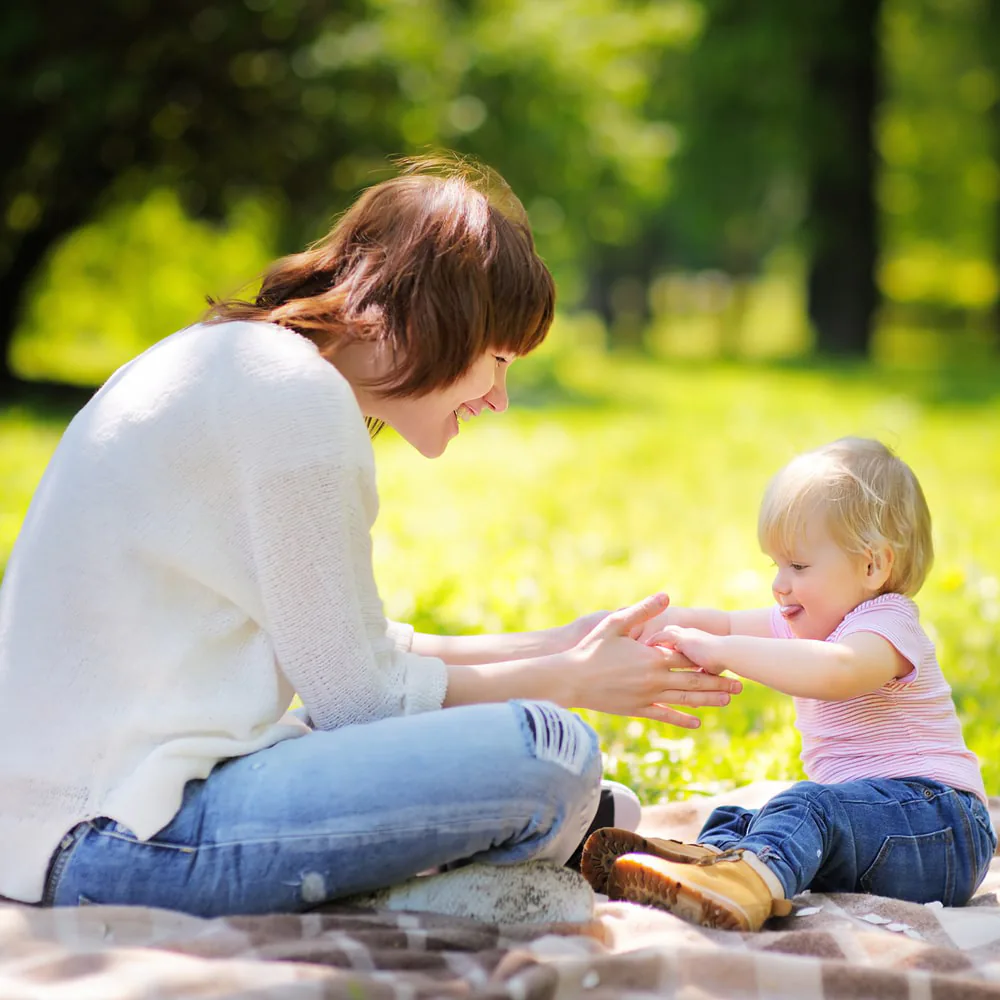
However, sometimes she may not like the things that she sees. For example ‘strangers’! Six-month-old babies enjoy seeing familiar faces; but regardless of how outgoing your baby is, she might begin to show fear of strangers. And this period in a baby’s development is known as ‘separation anxiety’. The 6-month-old babies enjoy seeing familiar faces. During this time, she might show frustration at being separated from you. Separation anxiety can escalate further between 10 and 12 months. However, interaction at ten months usually involves playing side-by-side with other children. You will see your baby watching and imitating other children before she turns one year old.
Do not forget ...
Each baby grows at his/her or her own pace. Remember that your baby is a small individual separate from you. Support him/her in his/her journey to growing up in the way he/she chooses to do so.
Content provided by: ZNN Network www.znnnetwork.com
Molfix Contents Advisor:
Dr. Berna Elkabes, Pediatrics Specialist