First Moments Following the Birth
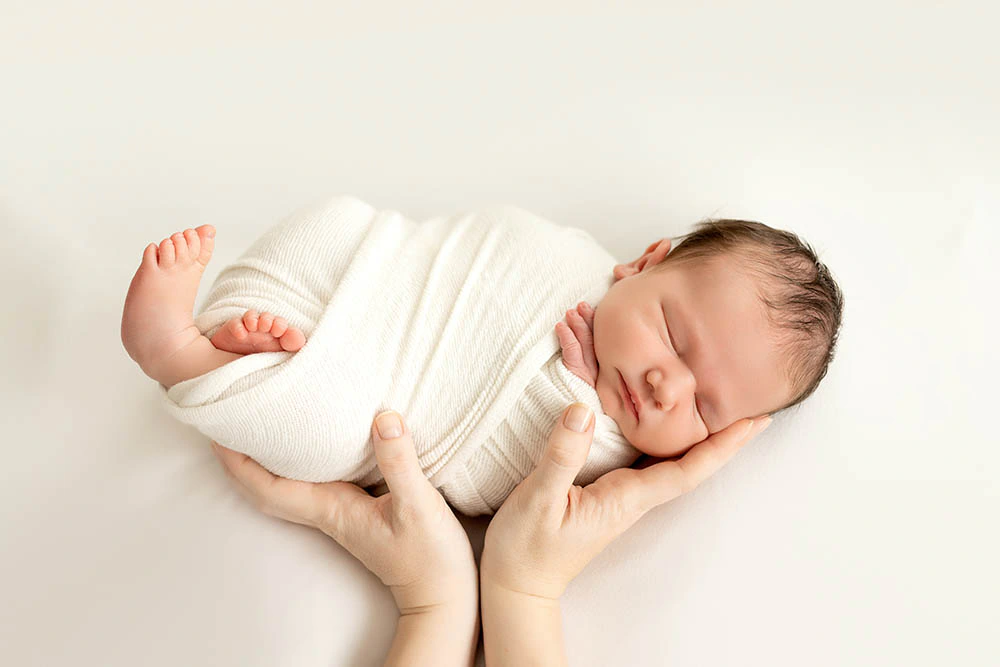
When your baby enters the world, they go through numerous simultaneous changes. The transition from the confined and liquid environment in their mother's womb to the sensation of emptiness, the touch of air on their skin, exposure to sound and light, the act of breathing, hands touching their skin, and tubes inserted into their nose – all of these experiences are quite overwhelming for them. It's crucial to take your baby into your arms and cradle them within the first few minutes after birth, establishing eye contact and engaging in gentle conversation while initiating breastfeeding. These initial moments are of utmost importance: your baby gets to know you intimately, forming a strong bond as they recognize your voice, scent, texture, and energy, just as you do theirs. After all, you carried and brought them into this world through your blood and soul.
1. Your Baby's Head:
Your baby's head is remarkably adaptable during birth due to the elasticity of its cranium. Although it may appear somewhat elongated after passing through the birth canal, it will gradually return to its normal shape within a week or two. The parietal bones have not yet been fused, and soft spots, known as fontanels, situated at the top and back of their head, allow for both the birthing process and postnatal brain and head growth while maintaining facial symmetry.
2. Your Baby's Sense of Hearing:
Your baby's sense of hearing starts developing as early as the fifth month in your womb. During pregnancy, reading books and playing music to your baby is highly beneficial. Hearing plays a crucial role in their communication, socialization, and language learning skills. In many countries, a hearing test is part of the newborn screening process, enabling early diagnosis and any necessary treatment.
3. Your Baby's Skin:
Your newborn's skin is delicate and sensitive. You might notice a fatty, cheese-like substance called vernix in the folds of their back and hips. Vernix not only keeps their skin moist but also boosts their immunity. Some lanugo hair on their skin will shed while in the womb, and the rest will fall off shortly after birth. The skin may have a wavy appearance, and the hands and feet might feel cool because the capillary vessels are not yet fully developed. To provide a comfortable environment for your baby, maintain a room temperature of around 24 degrees Celsius and check their temperature by gently touching their neck and back.
Welcoming your newborn into the world is a special journey that brings you closer together as you both explore and embrace this new chapter in your lives. Cherish these first moments, for they lay the foundation for a lifetime of love and connection with your little one.